A history spanning more than 1,500 years.
To truly understand what Shaolin represents, it is necessary to go beyond the image of Kung Fu known throughout the world. The Temple began as a Buddhist place of worship and learning, and over the centuries it brought together Chan spirituality, culture, physical discipline and martial practice. This continuity, shaped by both history and transformation, is what makes Shaolin a living tradition today.
495 ADOrigins
The Temple was founded at the foot of Mount Song in Henan Province to receive the Indian monk Batuo (Buddhabhadra), under Emperor Xiaowen of the Northern Wei dynasty. In its early years, Shaolin was primarily a center of Buddhist teaching, translation and practice.
6TH CENTURYBodhidharma and Chan
Shaolin tradition connects the Temple with Bodhidharma, an Indian monk regarded as the first patriarch of Chan in China. His presence is also surrounded by stories and legends, but his connection with Shaolin's spiritual history has become a fundamental part of the Temple's identity.
7TH CENTURYWarrior monks
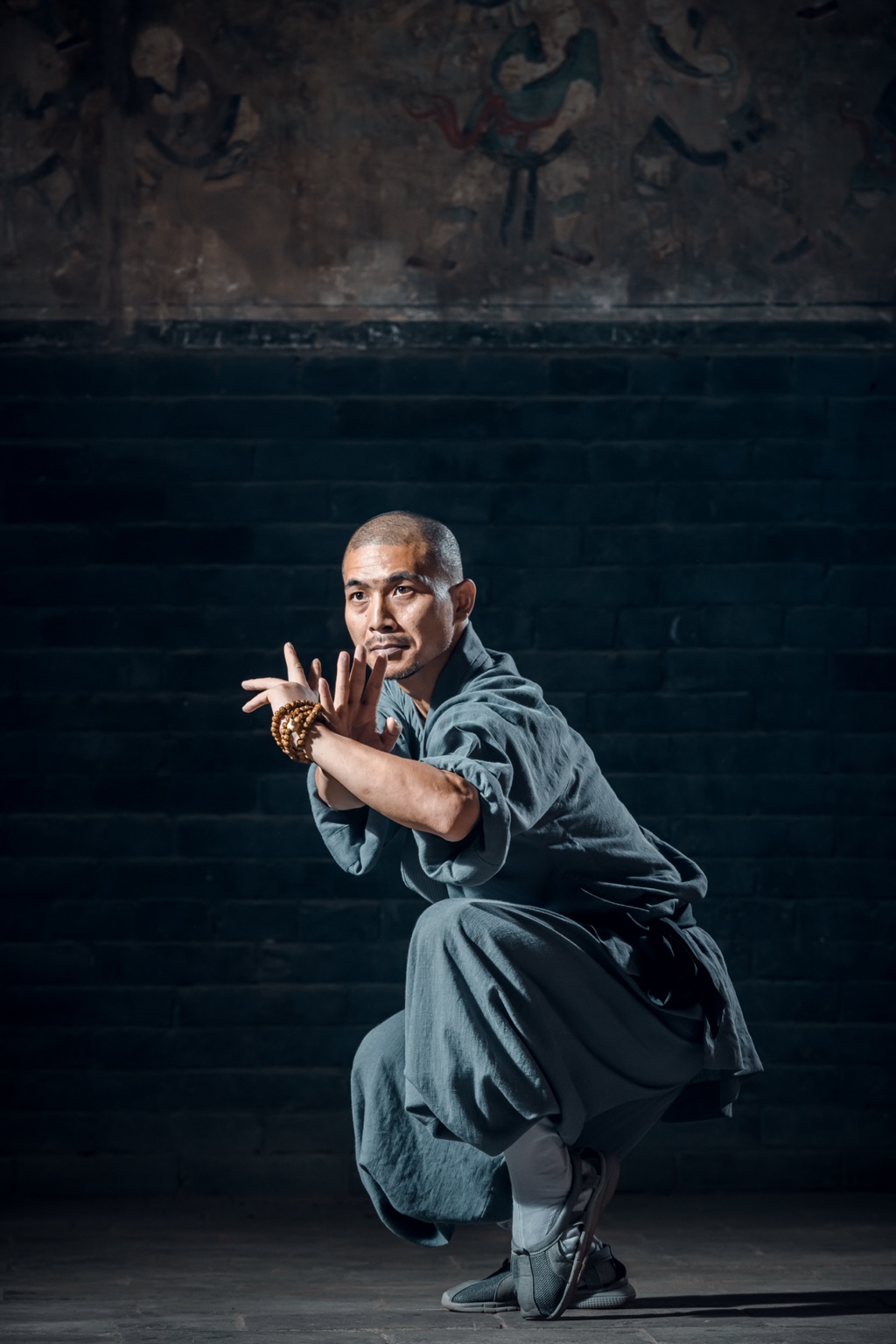
During the Tang dynasty, some Shaolin monks took part in military events in support of the new empire. The story of the thirteen warrior monks, also remembered in Temple inscriptions, helped establish Shaolin’s reputation as a place where Buddhist discipline and martial skill could coexist.
SONG · MINGThe martial tradition grows
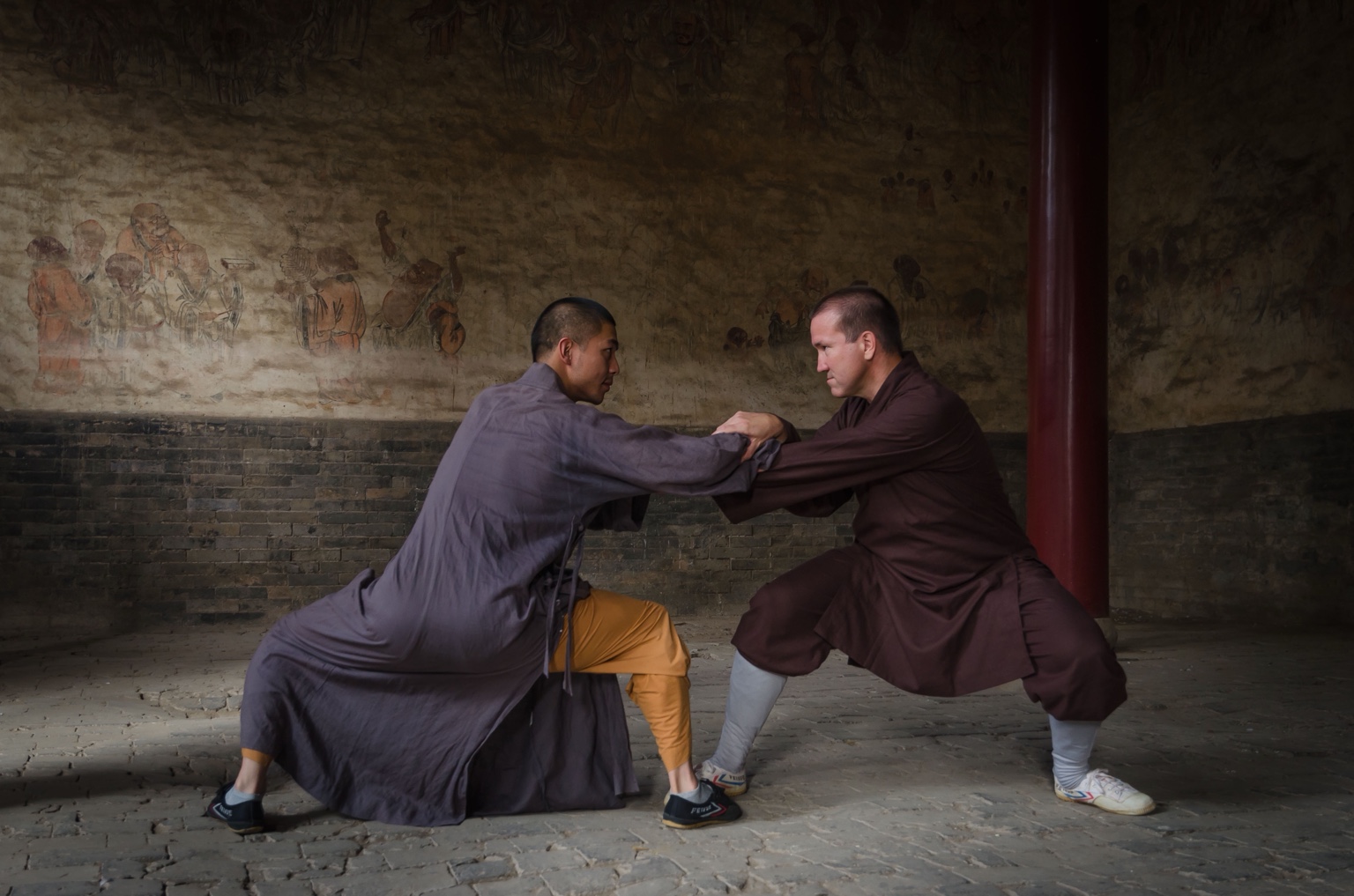
In the centuries that followed, the martial arts practiced at Shaolin developed and were transmitted in increasingly structured forms. During the Ming period in particular, the reputation of Shaolin Kung Fu grew considerably. Technique, training, discipline and monastic culture became part of a heritage recognized throughout China.
1928Destruction and renewal
In 1928, a fire connected with the wars between regional warlords devastated much of the complex and destroyed a vast number of documents. The Temple then went through difficult decades before gradually recovering its religious, cultural and martial life in the second half of the twentieth century.
TODAYA world heritage
Today Shaolin Temple is known worldwide as a reference point for Chan Buddhism and the Shaolin martial tradition. The historic monuments of Dengfeng are part of the UNESCO World Heritage, and the name Shaolin continues to represent a bridge between Chinese culture, martial practice and personal development.
“Shaolin” does not simply mean learning a technique: it means entering into contact with a tradition and taking responsibility for practicing it with respect.